Product teams confuse shipping features with solving problems. Here's how validation-first UX design drives better business outcomes in Southeast Asia.
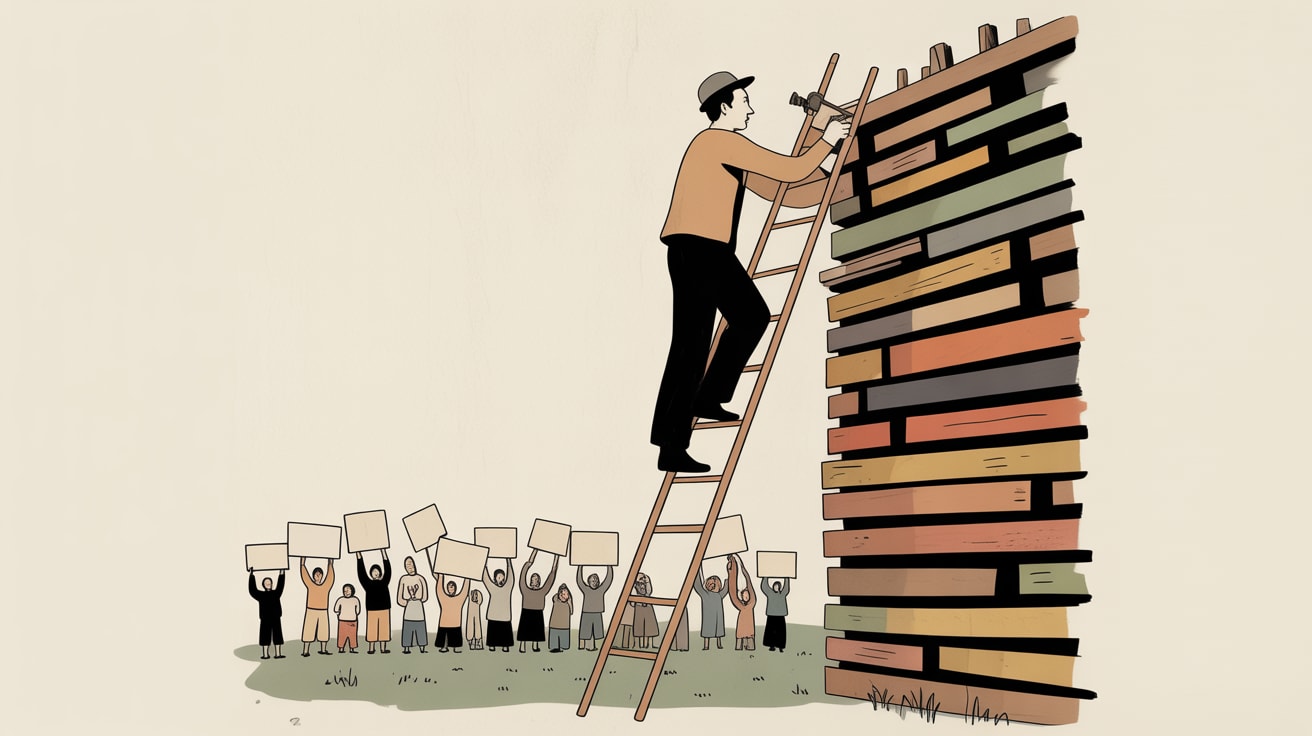
Most product teams are running a very efficient machine pointed in the wrong direction. They’ve mastered the sprint cycle, refined their Figma handoffs, and can ship a new feature in two weeks flat. What they haven’t mastered is the harder question: should they have built it at all?
According to UX Collective’s analysis of modern product development, this is the feature trap — the organisational tendency to conflate output with outcomes, and to mistake a completed build for a validated solution.
Velocity Is a Metric. Validity Is a Strategy.
There’s a seductive logic to shipping fast. Stakeholders see progress. Roadmaps get ticked. The engineering team looks productive. But in data architecture, we have a name for this pattern: it’s called writing to a table nobody queries. The work is real. The value is hypothetical.
The feature trap springs from a misalignment between how teams measure success and what users actually need. When sprint velocity becomes the north star, validation gets treated as a phase — something you do after building, if time permits. In reality, validation is the prerequisite. A five-day prototype test with twelve users in Bangkok or Jakarta will surface more signal than three sprints of polished development built on assumptions.
Shopee’s rapid iteration on its checkout flow is instructive here. The team famously ran parallel UX experiments across markets before committing to regional rollouts — specifically because what converts in Singapore doesn’t always convert in Vietnam. That’s validation architecture, not a development philosophy.
The Design Debt Nobody Tracks
Here’s the part that doesn’t make it into retrospectives: unvalidated features create design debt that compounds quietly. Each new feature built on top of an unproven assumption adds another load-bearing wall to an unstable structure. Teams then spend disproportionate cycles maintaining, patching, and eventually deprecating work that never should have shipped.
From a systems perspective, this is identical to building a data pipeline on a schema nobody agreed to. You can make it work. You will regret it.
The UX Collective analysis flags a specific failure mode worth naming: teams that validate form but not function. Usability testing whether a button is findable is not the same as validating whether the button solves the right problem. A/B testing two button colours tells you which performs better — it tells you nothing about whether either option should exist.
For Southeast Asian markets, this distinction is especially sharp. Mobile-first audiences across the region have developed high pattern literacy for super-app interfaces — Grab, Gojek, LINE. When you introduce a novel interaction pattern without validating its fit against those learned behaviours, you’re not being innovative. You’re introducing friction you haven’t earned the right to.
What Validation-First UX Actually Looks Like
Validation-first doesn’t mean slow. It means front-loading the cheap tests before committing to the expensive builds. Concretely, this involves three shifts:
Problem validation before solution design. Before a single wireframe gets drawn, teams should be able to articulate: what is the observed user behaviour we’re responding to, what data supports the claim that it’s a problem worth solving, and what does success look like in a measurable way? If those answers live only in a product manager’s intuition, the feature isn’t ready to design.
Prototype fidelity matched to decision stakes. A paper sketch answers a different question than a clickable prototype. Teams that default to high-fidelity mocks for early-stage validation are burning resource on resolution they don’t need yet. Reserve Figma polish for questions that require it.
Instrumentation designed in, not bolted on. This is where the data architecture mindset pays dividends. Every feature should ship with pre-agreed instrumentation: which events fire, what the baseline metric is, what movement constitutes signal versus noise. If your analytics plan is “we’ll look at the dashboard after launch,” you’ve already lost the ability to learn.
Grab’s super-app team has been public about running 40-plus simultaneous experiments across its platform. That’s not chaos — that’s a validation infrastructure that makes learning cheap enough to do continuously.
The Stakeholder Problem You’re Probably Ignoring
Validation-first UX dies in organisations where stakeholders reward shipping over learning. This is a cultural and communication challenge as much as a design one, and it’s worth addressing directly.
The reframe that tends to work: position validation as risk reduction, not delay. A two-week discovery sprint that kills a bad idea costs a fraction of three months of engineering on a feature with 4% adoption. When you put those numbers in front of a marketing director or a growth lead, the conversation changes.
For teams operating across Southeast Asia’s diverse regulatory and cultural landscape — where a single campaign might need to perform across Thai, Bahasa, and Filipino audiences — unvalidated design decisions carry multiplicative risk. A navigation pattern that confuses Tagalog-reading users will fail quietly until the retention data comes in six weeks later. Validation catches that upstream.
The practical ask for design leads: build a lightweight validation gate into your process. Two questions, answered before any feature progresses from concept to design: What assumption is this feature testing? and What would falsify that assumption? If neither question has a crisp answer, the feature isn’t ready to move forward.
Key Takeaways
- Treat validation as infrastructure, not a phase — instrument every feature before launch so you can learn from what you ship
- Match prototype fidelity to decision stakes; high-fidelity mocks are for refining, not for discovering
- Frame validation to stakeholders as risk reduction — a killed bad idea is a budget win, not a missed deadline
The teams that will define digital product quality in Southeast Asia over the next three years won’t necessarily be the fastest shippers. They’ll be the ones who’ve built the organisational plumbing to distinguish a good idea from a validated one — and who’ve made learning cheap enough to do before the build, not after.
The real question isn’t whether your team can ship fast. It’s whether the things you’re shipping fast are the right things. How confident are you in your answer?
At grzzly, we work with growth teams across Southeast Asia to connect design decisions to measurable outcomes — from instrumentation strategy to validation frameworks that stakeholders actually buy into. If your team is shipping hard but struggling to show what’s working, we’d like that conversation. Let’s talk

Written by
Chunky GrizzlyDesigning the foundational plumbing — data warehouses, lakehouse models, and ETL pipelines — that separates organisations with genuine intelligence from those drowning in dashboards.