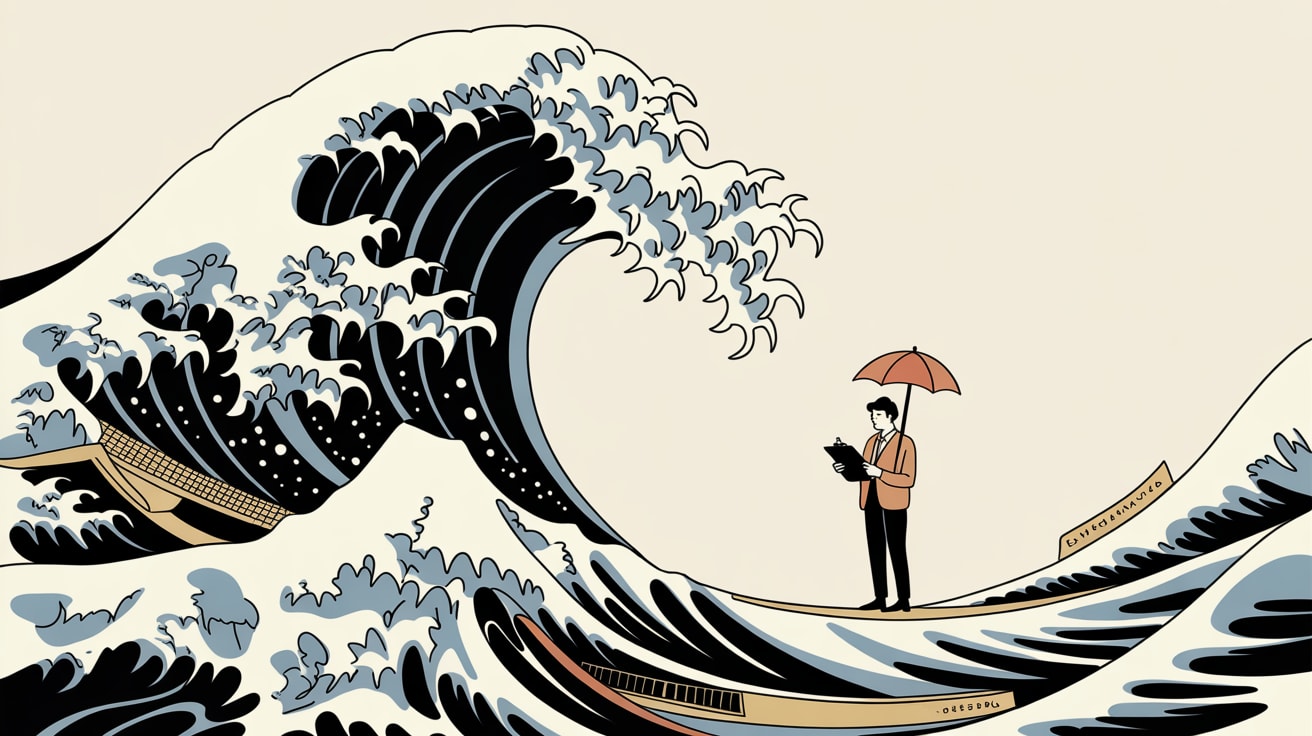
86% of brands missed critical opportunities from slow social data. Here's how to use audience intelligence and creator signals to act before the market does.
The market told you six months ago. You just weren’t listening to the right channels.
Sprout Social’s 2026 Social Intelligence Report surfaces a figure that should make any growth lead uncomfortable: 86% of organisations admit they’ve missed critical business opportunities because their consumer data arrived too late, sat in silos, or simply wasn’t acted on. That’s not a technology problem. That’s a strategic posture problem — and it’s entirely fixable.
Social Data Is a Forecast, Not a Ledger
Most marketing teams use social data the way accountants use a balance sheet — to describe what already happened. But the practitioners getting ahead are treating it as a radar system, scanning for weak signals before they become loud consensus.
Audience intelligence, done well, means tracking shifts in sentiment, emerging vocabulary clusters, and early-adopter behaviour patterns — not just share-of-voice and engagement rates. In Southeast Asia, where platform behaviour fragments sharply across TikTok, Shopee Live, LINE OA, and Telegram communities, the signal-to-noise ratio is genuinely harder to manage. A Singaporean brand monitoring only Instagram is effectively flying blind to what’s moving on TikTok Shop in Indonesia or what’s trending inside LINE groups in Thailand.
The practical fix: designate a weekly ‘signal review’ ritual where one team member surfaces three anomalies in your audience data — unexpected spikes, vocabulary shifts, or category conversations you didn’t initiate. Anomalies are where the forecast lives.
The Human Creator Layer as a Market Sensor
Here’s where it gets interesting. Born Social’s newly launched Born Creator Community — a platform explicitly designed to counter the saturation of AI-generated content in social feeds — isn’t just a creative quality play. It’s a market intelligence move dressed as a production solution.
Creators, particularly mid-tier ones with genuine community relationships, function as real-time ethnographers. They’re embedded in the subcultures, comment sections, and DM threads that no dashboard surfaces. When Born Social argues that human-led creative is becoming a differentiator as feeds fill with synthetic media, they’re also pointing at something strategically deeper: creators are the early-warning layer that tells you what a segment actually cares about before that sentiment shows up in survey data.
For regional brands working across SEA’s linguistically diverse markets — Bahasa Indonesia, Thai, Tagalog, Vietnamese — this matters even more acutely. AI-generated content tends to flatten cultural nuance. A creator embedded in a Jakarta community will catch a sentiment shift in two weeks that your social listening tool will flag in two months.
Turning Intelligence Into a Decision-Making Infrastructure
The 86% figure from Sprout’s report implies something structural: missed opportunities aren’t caused by bad data, they’re caused by data that never reached the person with the authority to act on it. Silos are the real antagonist here.
The architecture fix is less glamorous than a new tool purchase. It looks like this: a shared social intelligence brief — weekly, two pages maximum — that goes directly to brand, product, and commercial leads simultaneously, not just the social team. At Grab, cross-functional ‘war room’ cadences during product launches have historically allowed rapid pivots based on real-time user sentiment. The mechanism matters as much as the data.
For teams with limited resources, the priority isn’t the most expensive social listening platform — it’s the discipline to route insights to decision-makers fast. Even a well-structured Notion board or Slack digest, owned by one person with a clear mandate, beats a sophisticated tool that feeds reports no one reads.
The Competitive Positioning Angle Nobody’s Talking About
Here’s the underappreciated strategic implication of all this: brands that build robust social intelligence infrastructure now are effectively investing in a proprietary forecasting advantage — one that compounds over time as their historical dataset deepens.
When a category competitor is still reacting to trends after they’ve peaked, a brand with 18 months of structured audience intelligence can anticipate the next wave and pre-position creative, inventory, or channel strategy accordingly. In high-velocity categories like beauty, F&B, and fashion across SEA — where trends often originate on TikTok Thailand or Tokopedia review sections before hitting mainstream — that timing advantage translates directly to market share.
The Born Social creator platform play points in the same direction: human-sourced creative intelligence at scale, not just content production. The brands that treat their creator relationships as a research function — not just a distribution function — will have a structural edge that’s genuinely hard to replicate.
So the question worth sitting with: is your social data infrastructure built to tell you what’s happening now, or what’s about to happen next?
At grzzly, we spend a lot of time helping Southeast Asian brands close exactly this gap — building the signal-reading habits, creator relationships, and cross-functional workflows that turn social intelligence from a reporting exercise into a strategic weapon. If your team is swimming in data but still getting surprised by market shifts, that’s a conversation worth having. Let’s talk
Sources

Written by
Mystic GrizzlyReading the early signals — in consumer behaviour, platform mechanics, and competitive positioning — before they become the consensus. Writing for practitioners who want to act ahead of the curve.