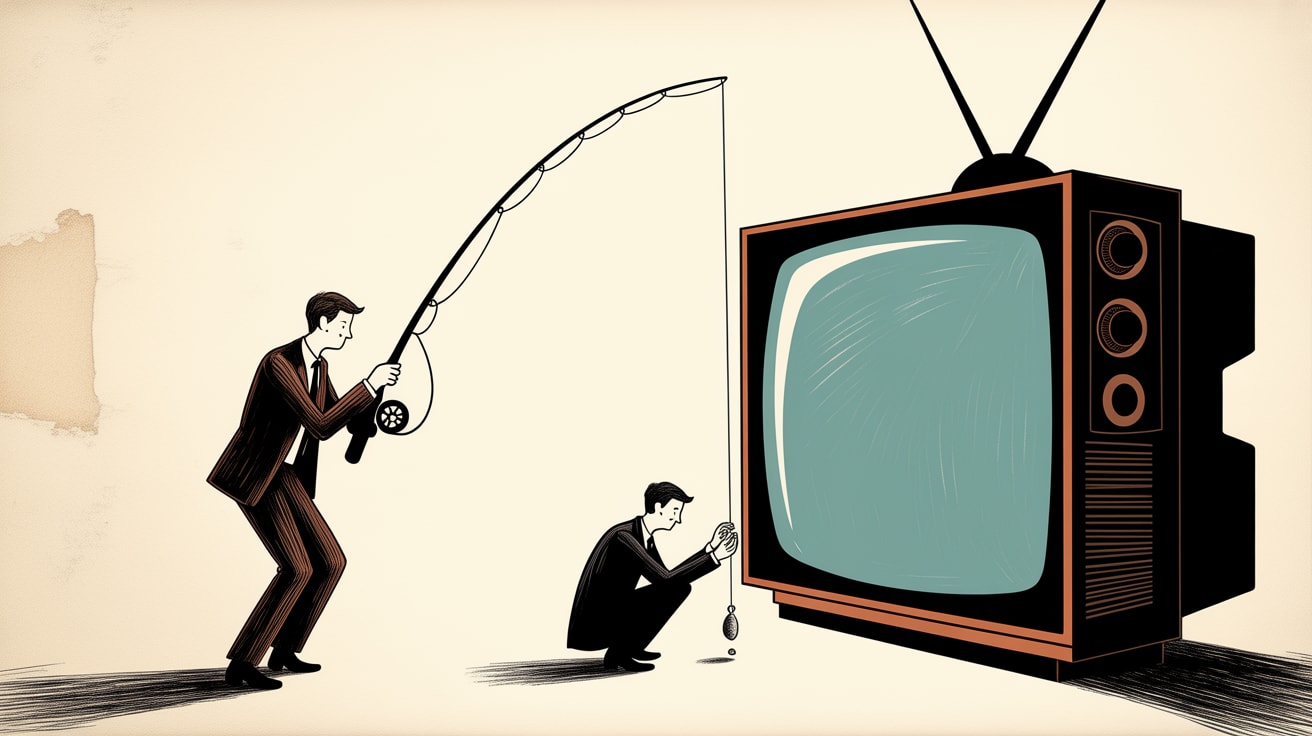
Pause ads are coming to programmatic. AI poisoning is already here. Here's what both mean for your media strategy in Southeast Asia.
Two things are true right now: a genuinely interesting new ad format is inching toward programmatic maturity, and the newest brand safety threat most marketing teams haven’t war-gamed yet is already live. Both deserve more than a footnote in your next quarterly review.
Pause Ads Are Almost Programmatic — Almost
The format itself isn’t new. Streaming platforms have been selling pause ads — those static or mildly animated overlays that appear when a viewer hits pause — direct for a few years. What’s new is standardisation. AdExchanger reports that the IAB Tech Lab is actively working to codify the programmatic signals needed to transact pause ads at scale through DSPs, which means the format is moving from “interesting experiment” to “line item on the media plan.”
For brands operating in Southeast Asia, this matters more than the headline suggests. CTV adoption is accelerating across markets like Thailand, Vietnam, and the Philippines — partly driven by smart TV proliferation, partly by platforms like Vidio, iQIYI, and YouTube TV expanding their footprints. Pause ads carry a structural advantage that most formats don’t: zero interruption to content flow. The viewer chose to stop. That moment of voluntary attention is genuinely different from a mid-roll forced view.
The catch is creative. Pause ad inventory rewards restraint — a clear brand mark, a single line of copy, a QR code that actually earns a scan. Brands that repurpose 15-second video assets into static pause placements will waste the moment. Build for the pause specifically, or don’t bother.
Why Standardisation Is the Real Story
The programmatic signal work the IAB Tech Lab is doing isn’t just plumbing. It’s the difference between pause ads remaining a premium direct-sold novelty and becoming a scalable, targetable, measurable channel. Once DSPs can transact pause inventory with consistent signals — content genre, viewer behaviour, pause duration — you can start layering audience data, applying frequency caps, and attributing outcomes properly.
For media teams managing complex stacks across multiple Southeast Asian markets, that standardisation also means less custom integration work per publisher. Right now, running pause ads across three streaming platforms in two markets likely means three different creative specs, two different reporting dashboards, and zero unified frequency control. IAB standardisation fixes that — eventually.
The practical advice: don’t wait for perfect standardisation to start testing. Identify one or two direct-sold pause ad placements on platforms where your target audience already indexes high. Run a creative test. Build the measurement framework now so when programmatic opens up, you have a baseline to optimise against rather than starting from zero.
AI Poisoning Is a Brand Safety Problem Your Stack Doesn’t Catch
LLM-generated search results have quietly become a meaningful discovery channel — for products, for brand reputation, and apparently now for competitive sabotage. Digiday’s Sam Bradley reports on a tactic called AI poisoning: the deliberate seeding of misinformation into the content sources that large language models train and retrieve from, with the specific goal of corrupting how an AI describes a competitor’s brand.
This is not theoretical. The mechanism is straightforward — LLMs pull from publicly indexed content, scraped web data, and increasingly from user-generated sources. If enough negative or misleading content about a brand appears in those sources with enough apparent credibility signals, the model starts surfacing it as fact. A consumer asking an AI assistant about your brand’s safety record, product quality, or market reputation could receive a subtly poisoned answer — and never know to question it.
For brands in Southeast Asia, the exposure is amplified by a few regional realities. Multilingual LLM coverage is uneven, which means lower-resourced language content (Thai, Bahasa, Vietnamese) may have proportionally more influence per piece of seeded content. Platforms like LINE and TikTok, where UGC spreads rapidly, are increasingly being scraped as training and retrieval sources. And regulatory frameworks around AI-generated misinformation remain nascent across most SEA markets.
What You Can Actually Do About It
Brand safety tooling built for display and social isn’t equipped for this threat vector. Most brand safety vendors monitor where your ads appear — not what AI systems say about you. That’s a different problem requiring a different response.
Three immediate steps worth prioritising: First, run your own brand queries across major LLM interfaces (ChatGPT, Gemini, Perplexity, Claude) quarterly — treat it like a brand audit, not a novelty test. Document what surfaces and flag anomalies. Second, invest in owned content that is explicitly structured for LLM retrieval — clear factual statements, structured data markup, authoritative backlink profiles. High-quality owned content is your best defensive asset. Third, brief your PR and comms teams on this risk now, before an incident, so response protocols exist when you need them.
The uncomfortable truth is that AI poisoning sits in the gap between marketing, PR, legal, and IT security — which means it often falls through the cracks of all four. Someone in your organisation needs to own it.
Key Takeaways
- Start building pause ad creative specs and measurement frameworks now, before programmatic standardisation completes — first-mover learning compounds quickly in new inventory categories.
- Treat LLM brand audits as a recurring operational task, not a one-off curiosity — the reputational risk from AI poisoning is real and growing faster than most brand safety stacks can track.
- Both developments reward brands that invest in owned, well-structured content — it improves pause ad landing experiences and serves as the primary defence against AI-sourced misinformation.
The deeper question these two stories share is about control. Programmatic has always been a negotiation between reach and precision, automation and oversight. As AI embeds itself deeper into both media buying and consumer discovery, the brands that stay ahead won’t be the ones with the biggest budgets — they’ll be the ones who understood where the new leverage points were before their competitors did. What’s your current visibility into what AI says about your brand right now?
At grzzly, we work with marketing and media teams across Southeast Asia navigating exactly this kind of complexity — from CTV strategy and programmatic stack architecture to brand safety frameworks built for the region’s specific platform realities. If either of these developments is on your radar and you’re not sure where to start, we’re happy to think it through with you. Let’s talk
Sources

Written by
Neon GrizzlyFluent in DSPs, bid strategies, and the baroque architecture of the modern ad stack. Turns media spend into measurable signal — not vanity metrics dressed in campaign clothing.