Nike's 2026 World Cup campaign rewrites the sponsorship playbook. Here's what Southeast Asian brand strategists can steal from it.
Somewhere in Portland, a creative director probably has a whiteboard that reads: six minutes, thirty-plus stars, one universe. Nike’s 2026 World Cup campaign — built with Wieden & Kennedy — isn’t a film. It’s a franchise launch. And the gap between those two things is exactly where most brand strategies fall apart.
This week also brought a sharp piece of analysis on Wimbledon sponsorship, arguing that a scoreboard logo is not a strategy. The timing is almost too convenient. Two case studies, same lesson, different budgets: presence without purpose is just expensive wallpaper.
The Ecosystem Problem Most Campaigns Ignore
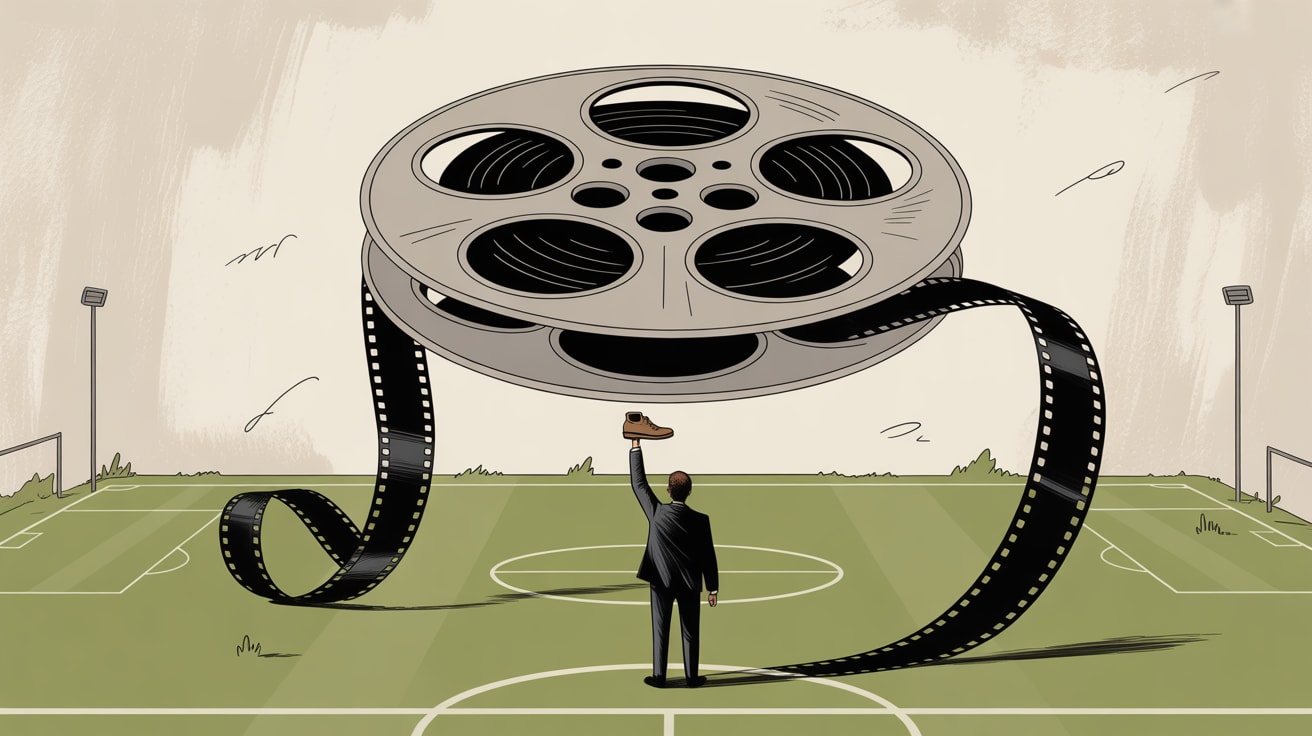
Nike’s World Cup work is built around what Campaign describes as a “massive ecosystem” expanding the Nike Football Universe — not a campaign, a universe. The six-minute hero film featuring more than 30 global stars is the ignition point, not the product. The strategic architecture underneath it — the platform activations, the athlete-specific content branches, the community hooks — is where the real work lives.
This is the part that’s hardest to pitch in a slide deck. It requires a brand to commit to a creative world before knowing exactly what will populate it. For most marketing directors sitting across from a CFO, that’s a genuinely difficult conversation. But the brands that skip the architecture and just shoot the film end up with a great YouTube video and a flat metrics report.
For Southeast Asian brands considering major event sponsorship — whether it’s a regional football tournament, an esports championship, or a Shopee-native tentpole — the question isn’t “what’s our hero asset?” It’s “what does the thing we build around the hero asset look like?”
Wimbledon’s Quiet Lesson on Brand Fit
The Campaign analysis of Wimbledon sponsorship makes a point that sounds obvious until you look at how many brands ignore it: each sponsor has to feel genuinely at home at Wimbledon while remaining unmistakably itself. The scoreboard logo is the outcome of a strategy, not the strategy itself.
This distinction matters acutely in Southeast Asia, where sponsorship spending is rising fast but strategic rigour often lags behind the cheque. A brand slapping its mark on a major regional event without asking what it actually stands for in that context is wasting most of the opportunity. The audience at a Mobile Legends tournament in Jakarta or a BNK48 concert in Bangkok brings specific expectations and cultural frames. Showing up without a considered point of view on those frames is noticed — and not in a good way.
The Wimbledon piece implicitly argues for what strategists sometimes call brand permission: the idea that a brand has to earn the right to inhabit a cultural space, not just buy access to it. That earning happens through consistent positioning, authentic creative choices, and — critically — restraint. Knowing what not to do is at least as important as knowing what to do.
Ripping the Script: When Boldness Has a Business Case
Nike “ripping the script” — Campaign’s framing — sounds like a creative instinct. It’s actually a calculated risk with a clear business rationale. The brand had been losing cultural ground to upstart challengers and needed to reassert its position as the definitive voice of global football. A safe campaign would have confirmed the decline. The six-minute film, the expanded universe, the deliberate maximalism — these are strategic answers to a positioning problem, not creative indulgence.
This is where Plot’s instinct for narrative rigour matters: the boldness only works because it’s grounded. Strip away the production values and you find a brand that knows exactly what it is, what it’s fighting for, and what would happen if it played it safe. That clarity is what makes the risk legible internally and effective externally.
For growth leads at mid-to-large Southeast Asian brands, the practical question is: when did you last have that conversation about what you’re actually fighting for? Not what you want to communicate — what you’re defending or attacking in the market. Nike’s campaign works because someone, at some point, was honest about the competitive reality. Most brand strategy processes never get that direct.
Implementation: Building the Universe Before the Film
The operational lesson from Nike’s approach is sequencing. The ecosystem has to be designed before the hero content is shot, not assembled afterwards from leftover assets. That means the platform strategy (what lives on TikTok vs. YouTube vs. in-app), the athlete content plan, the community activation mechanic, and the measurement framework all need to exist as a coherent brief before production begins.
In practice, most Southeast Asian brands reverse this order. The film gets greenlit, production absorbs the budget and timeline, and the “digital ecosystem” becomes whatever can be repurposed from the shoot in the final three weeks. The result is a hero asset surrounded by content that feels like afterthought — because it was.
The fix isn’t a bigger budget. It’s a different planning sequence: define the universe, then commission the content that inhabits it. For a regional FMCG brand activating on Shopee during a major football moment, that might mean starting with the in-app mechanic, the creator brief, and the community hook — and letting those constraints shape the hero creative, not the other way around.
Three things worth acting on this week:
- Audit your last major sponsorship or campaign activation: was the ecosystem designed before or after the hero asset? The answer tells you a lot about your planning culture.
- Apply the Wimbledon test to your next property consideration: does your brand have genuine permission to inhabit this space, or are you buying a logo placement dressed up as a strategy?
- Map the architecture first: before the next campaign brief goes to creative, build the ecosystem diagram — platforms, content types, community touchpoints, measurement — and make it a prerequisite for production sign-off.
The brands that will own cultural moments in Southeast Asia over the next three years aren’t the ones with the biggest event budgets. They’re the ones that treat the creative universe as infrastructure, not decoration. Nike just published a very expensive proof of concept. The question is whether your next planning cycle is designed to learn from it — or whether you’ll still be arguing about the scoreboard logo.
grzzly works with brands across Southeast Asia on exactly this kind of strategic architecture — from campaign ecosystem design to sponsorship strategy that goes beyond logo rights. If your next major activation deserves more than a great hero film, Let’s talk.
Sources

Written by
Plot GrizzlyDocumenting the campaigns, systems, and decisions that actually moved the needle — with the intellectual honesty to include what failed and why. Narrative rigour as a professional standard.