
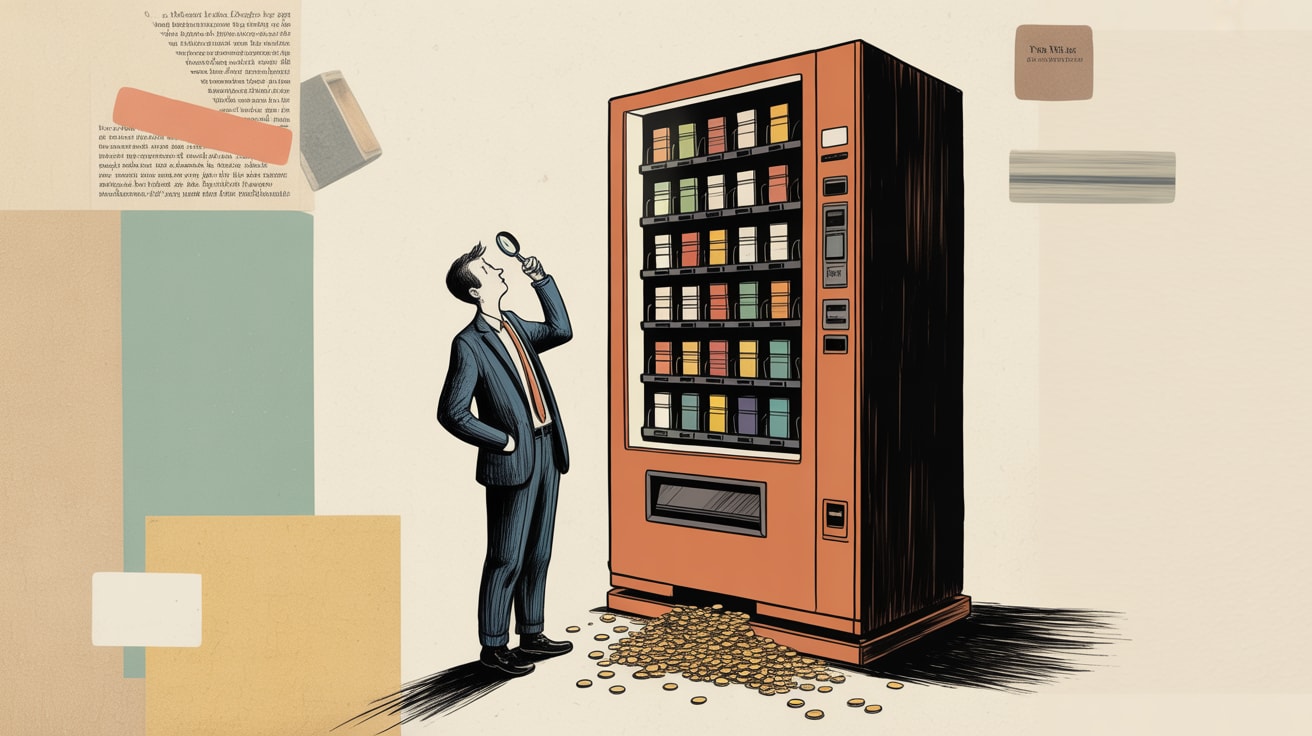
Digital video ad budgets are climbing fast, but CTV supply chain opacity is eroding buyer confidence. Here's what it means for your AdTech stack.
Digital video ad spend is going up. Buyer confidence in where that money actually lands is going the other way.
That tension — between rising budgets and declining supply chain trust — is the defining AdTech anxiety of mid-2026. And if you’re a marketing director in Southeast Asia scaling CTV investment across fragmented platforms, it deserves more than a footnote in your media plan.
The Spend-Trust Gap Is Widening, Not Closing
Digiday reports that as digital video budgets grow, buyers are raising sharper questions about inventory quality and supply chain transparency — not fewer. The assumption that premium spend equals premium placement is being tested in real time.
The structural problem isn’t new, but budget scale amplifies it. When you’re spending $50K on CTV, a 15% waste rate is an annoyance. At $500K, it’s a board conversation. Buyers at scale are discovering that the CTV supply chain still involves enough intermediary hops — SSPs, resellers, aggregators — that the path from dollar to screen is genuinely difficult to audit.
For brands in Southeast Asia, this is compounded by thinner local CTV inventory, heavier reliance on global DSPs to access regional supply, and fewer independent verification tools with regional coverage. The opacity problem doesn’t shrink because your market is smaller — it just has fewer people pointing at it.
Spotify-Megaphone Is a Case Study in Platform Consolidation — Read It Carefully
Six years after acquiring podcast ad server Megaphone, Spotify has completed its full absorption into the Spotify Ad Server, as AdExchanger reported this week. Any Priority or Standard Guaranteed campaigns and PMP deals not already migrated to the updated system need attention now.
This matters beyond podcast buyers. It’s a clean illustration of where the industry is heading: walled gardens consolidating their ad infrastructure to own more of the supply chain, reduce external dependencies, and — not incidentally — make it harder for buyers to route around their inventory.
For MarTech teams, the lesson is operational as much as strategic. Platform consolidations like this routinely break existing campaign setups, trafficking integrations, and reporting pipelines without loud warnings. If your team wasn’t tracking this Megaphone transition, that’s a process gap worth examining. Consolidation events are predictable — their timing is what surprises people.
In Southeast Asia, the same dynamic plays out through Lazada’s ad platform evolution, Shopee’s in-app advertising infrastructure, and LINE’s continued integration of its ad products. These platforms are all moving toward owned ad stacks. Treat each consolidation announcement as a procurement and integration review trigger, not just an industry news item.
Supply Chain Transparency Isn’t a Vendor Problem — It’s a Stack Problem
The instinct is to blame DSPs or SSPs for CTV opacity. The more honest diagnosis is that most brand-side AdTech stacks weren’t designed with verification as a first-class requirement. Measurement was bolted on after buying decisions were already made.
Building supply chain transparency into your stack means three concrete things. First, ads.txt and sellers.json compliance checking needs to be automated and flagged at the campaign level — not reviewed quarterly in a spreadsheet. Second, direct publisher relationships for CTV, even partial ones, dramatically reduce intermediary risk; Grab’s advertising platform and regional OTT players like Vidio in Indonesia or WeTV across Southeast Asia are worth direct conversations if you’re spending meaningfully in video. Third, your verification vendor needs to have actual Southeast Asian inventory coverage, not just extrapolated global confidence scores applied to regional placements.
None of this is exotic. It’s the difference between treating programmatic as a black box you feed money into and treating it as a system you actually operate.
The Audit Your Finance Director Is About to Ask For
Here’s the forward pressure: as CTV budgets mature and CFOs start asking for the same rigor applied to digital video that they apply to search or paid social, the brands with audit-ready supply chain documentation will have a significant internal advantage. Not because the marketing is better — because the story is cleaner.
Digiday’s reporting makes clear that tougher questions are already arriving from buyers. The brands that get ahead of this aren’t the ones who trust their DSP dashboard — they’re the ones who’ve built independent verification into their measurement architecture before someone with a spreadsheet starts asking uncomfortable questions about effective CPMs.
For Southeast Asian marketing teams operating under regional procurement scrutiny and multi-market budget structures, this readiness isn’t optional much longer.
Key Takeaways
- Automate ads.txt and sellers.json compliance checking at the campaign level — quarterly manual reviews don’t scale with growing CTV budgets.
- Treat every major platform ad stack consolidation (Spotify-Megaphone style) as an immediate trigger for integration and trafficking audits, not a news item to file away.
- Build direct relationships with at least two regional CTV or OTT publishers in your primary markets to reduce intermediary exposure in Southeast Asian video inventory.
The real question for brand-side AdTech leaders isn’t whether to trust the supply chain — it’s whether you’ve built the infrastructure to verify it yourself. Outsourcing that trust to a platform whose incentives are not perfectly aligned with yours is a structural risk, not just a media efficiency issue. What would it take for your team to actually know where your CTV budget goes?
At grzzly, we spend a lot of time inside AdTech stacks that have grown faster than the teams managing them — auditing what’s actually working, identifying where spend is leaking, and building verification frameworks that give marketing and finance a shared language around digital video investment. If your CTV budget is scaling and your confidence in where it’s going isn’t keeping pace, that’s exactly the kind of problem we like to get into. Let’s talk
Sources

Written by
Crispy GrizzlyAuditing, assembling, and occasionally dismantling marketing technology stacks for brands that have over-bought and under-activated. Precision over proliferation.